Three Cannabis Culture shops were shut down in January 2019 and stay closed to this day. They were among the first cannabis shops that were shut down because they didn’t get all the necessary licenses to sell cannabis products.
👍 Cannabis Culture Vancouver Alternatives
But fear not! Many alternatives are available. Those who want to purchase their marijuana by the book have several convenient and fully licensed cannabis stores to choose from in Greater Vancouver including:
- Happy Isle Cannabis Company
- Coastal Bay Cannabis
- Evergreen Cannabis
- City Cannabis (610 Robson St, Vancouver, BC V6B 2B9), (2317 Cambie St, Vancouver, BC V5Z 2T9), (7291 Fraser St, Vancouver, BC V5X 3V8)
- Hobo (4296 Main St, Vancouver, BC V5V 3P9), (8425 Granville St, Vancouver, BC V6P 4Z9)
- Muse Cannabis Store
- THC
- WestCanna
- Kiaro
- Village Bloomery
- UEM CANNABIS
Vancouver’s Cannabis Culture: A Brief History
The province of British Columbia has always had a more liberal attitude towards marijuana than the rest of the country. Despite the legal landscape of days gone by, Vancouverites, and British Columbians in general were indulging in the sacred weed long before the 1960s. One of the main reasons for notable cannabis culture in Vancouver lies in the fact that many regions of British Columbia are blessed with ideal growing conditions. For the better part of the 20th century, marijuana flourished as a major cash crop. It still does. Before 2018, British Columbia’s marijuana industry was estimated to be worth around $6 billion per year. With its recent legalization, that figure is bound to grow.
Recreational use of marijuana in North America predates Canada itself. The cannabis culture in Vancouver went virtually unnoticed into the first decades of the 20th century. The pot wasn’t even on the authorities’ radar until the 1920s when it was officially declared illegal under the Narcotics Drug Act Amendment Bill. Canadian authorities didn’t even make a single seizure until 1937. It wasn’t until the late 1960s that the crackdown began in earnest.
Despite the threat of stiff penalties as prescribed in 1961’s Narcotics Control Act, Vancouver’s cannabis culture thrived. The use of recreational marijuana hit a peak in the late 1960s with the rise of flower power and the hippie era. Not only that. More and more people in Vancouver and other areas of British Columbia were honing their growing skills. Pot farmers began developing new and more potent strains, and marijuana quickly became big business. Albeit, an illegal business.
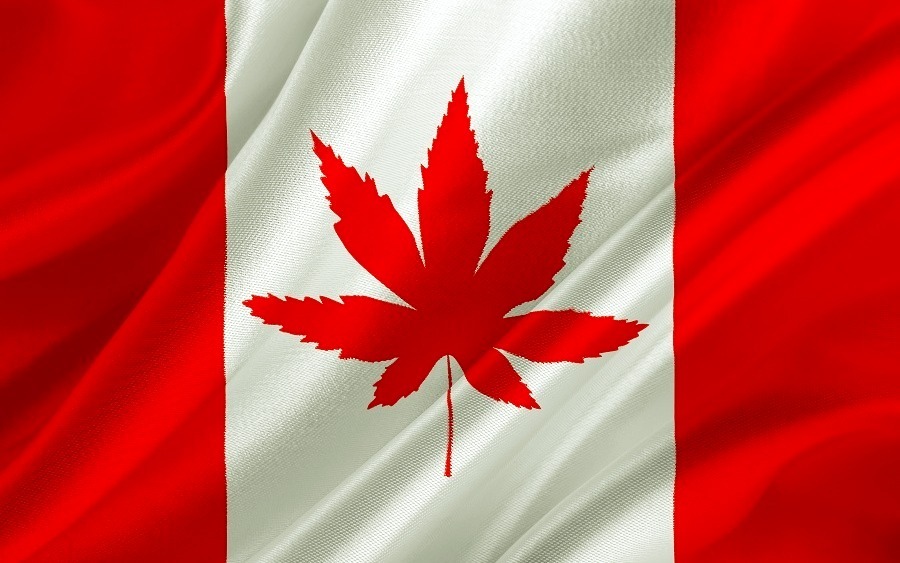
Attitude toward cannabis culture changed in the 1990s.
Vancouver was quite different in the 1970s and 1980s than it is today. Buying a bag of maryjane wasn’t too difficult, but there were still consequences to face if caught. Cops wouldn’t turn a blind eye if they saw you smoking a joint and they would almost certainly intervene if a deal was going down. Authorities also did their best to bust grow operations. Much of this changed in Vancouver during the 1990s as the attitude toward cannabis culture shifted. Recreational usage was tolerated and the plant’s medicinal benefits were better understood. Yes, marijuana was still illegal and police did their best to shut down grow ops and prevent smuggling, but the authorities’ attitude toward marijuana had noticeably changed.
Marc Emery
One can’t fully discuss the culture of cannabis in Vancouver without mentioning Marc Emery. Often referred to as “the Prince of Pot”, Marc Emery has been one of the most vocal proponents of marijuana policy reform. An entrepreneur with political aspirations, Emery came to Vancouver in 1994. He opened what could be called a “head shop” named Hemp BC, where he openly sold marijuana paraphernalia such as bongs, pipes, and those tasty flavored rolling papers. What’s the big deal about that? Well, openly selling many of these items was still illegal at the time. He took his venture to the next level when he started selling pot seeds. Not afraid of flouting the laws, Emery went on to establish what would eventually become a Cannabis Culture magazine. He even helped establish the Marijuana Party of Canada and the British Columbia Marijuana Party. To say Vancouver’s Prince of Pot is an outspoken proponent of cannabis culture would be a gross understatement.
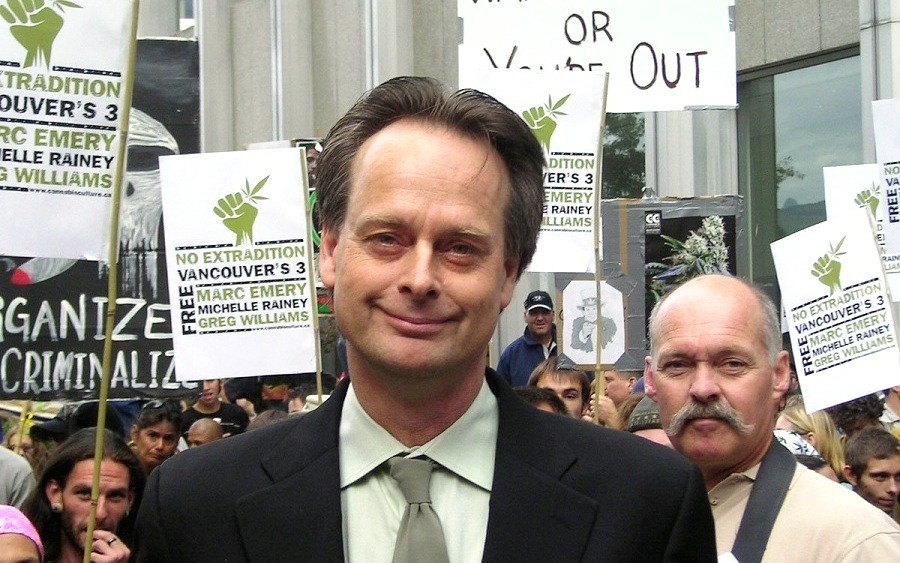
Marc Emery was pursued by the US and Canadian authorities.
As one might expect, even in such a pot-friendly place as Vancouver, Emery became the target of authorities in both Canada and the United States who were dismayed with his Vancouver-based mail order cannabis seeds scheme. His store was subject to police raids and he was fined on numerous occasions. Emery even ended up being extradited to the United States where he did a little more than four years of a five-year sentence. To this day, Emery continues to draw the ire of authorities. Nevertheless, he carries on his crusade and is an integral part of the marijuana scene.
Dana Larsen
Much like Marc Emery, Dana Larsen is another entrepreneur with political aspirations who has been at the forefront of the drive for legalization. In fact Larsen was also a founding member of the BC Marijuana Party and the Marijuana Party of Canada. He then joined the New Democratic Party and established “End Prohibition, NDP Against the Drug War”. He opened the Vancouver Medical Cannabis Dispensary in 2008 and added a second location in 2010. He also opened one of Vancouver’s first banks for cannabis seeds.
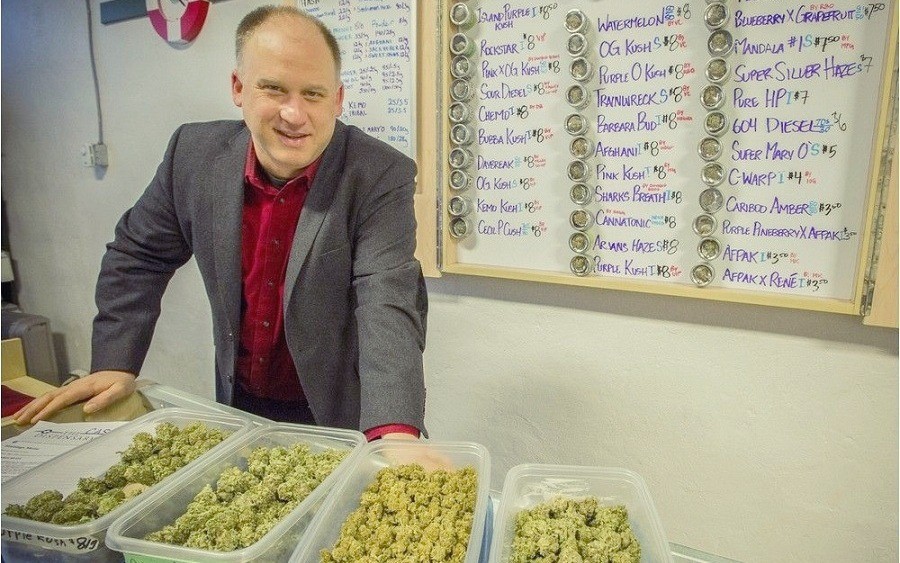
Dana Larsen is the key figure in the “Legalize” movement.
In 2012, he launched Sensible BC, which was a campaign aimed at decriminalizing the possession of marijuana in British Columbia. While his efforts fell short of prompting a referendum on the matter, the 202,085 signatures he gathered was the second-highest number of signatures ever amassed for a referendum issue in the province.
From Quiet Tolerance to Legalization
Did you know that the Canadian government considered decriminalizing marijuana way back in the late 1960s? It’s true. Wanting to address the drastic rise in criminal charges against regular middle-class Canadians for non-violent marijuana-related offenses, the Le Dain Commission was formed in 1969. Their findings were released in 1972, and they recommended decriminalization. Even though subsequent governments considered the recommendation, nothing actually happened.
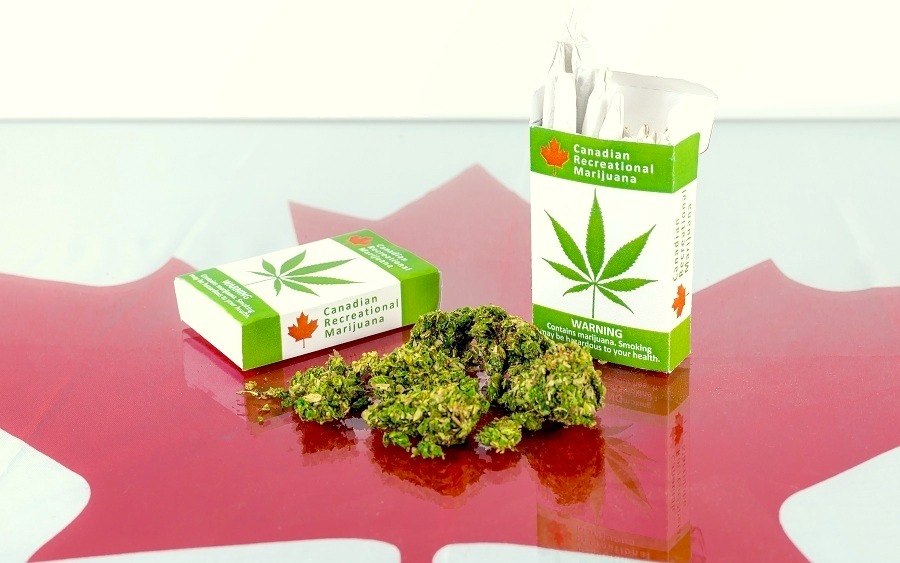
Medicinal use of marijuana was legalized in 2001.
While Marc Emery, Dana Larsen, and other marijuana proponents undoubtedly played a part in the eventual legalization of marijuana, there were other factors in play. The legal landscape significantly shifted in 2001 when medicinal use was legalized. By that time, the medical benefits were well known, although the risks were widely publicized too. Additionally, pot farming was no longer dominated by small eco-friendly mom-and-pop operations. Organized crime was running many of these grow ops. In 2008, the RCMP claimed that there were over 20,000 residential grow ops in the province. That didn’t include the often large-scale outdoor grow shows. As mentioned, it all accounted for about $6 billion in untaxed profits being pumped into the economy. We all know how the government reacts when they aren’t getting their cut.
By the mid to late 2000s, the open use of marijuana was commonplace. The Vancouver police rarely bothered to approach anyone who fired up a reefer on a street corner unless that person was being a nuisance. Of course, the city had its hands full dealing with a different and more severe drug epidemic. But that’s a different story altogether. By 2012, an Angus Reid poll revealed that 61% of BC residents were in favor of legalization. The tides had turned to the delight of those within the pro-pot scene.
During this time, cannabis culture flourished as dozens of illegal pot dispensaries began cropping up in Vancouver and throughout the rest of the province. With a dispensary doctor on hand to write on-demand prescriptions, medical marijuana dispensaries and other BC marijuana stores had a marginal air of legitimacy even though they were blatantly illegal. These operations managed to prosper despite occasional police raids.
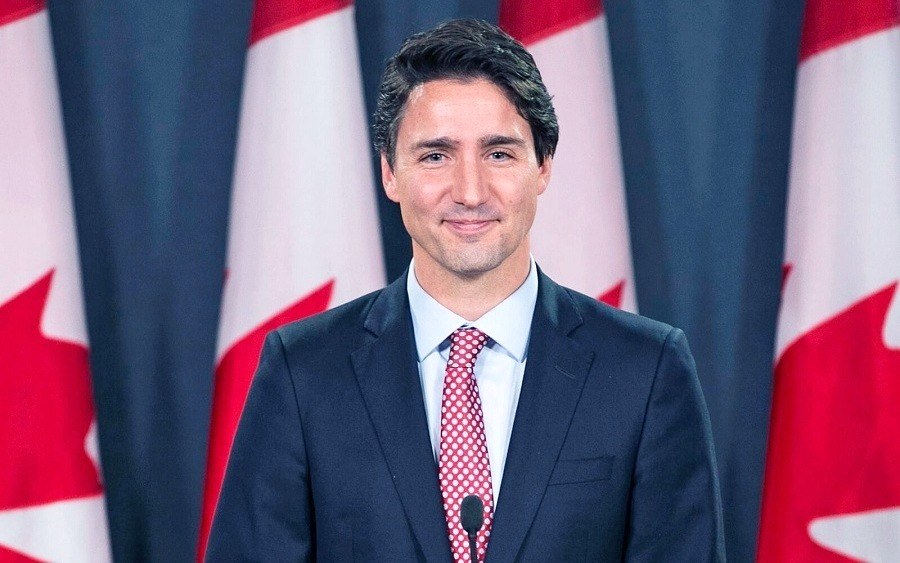
Justin Trudeau legalized cannabis on October 17, 2018.
In the lead up to the 2015 federal election, Liberal leader Justin Trudeau pledged to legalize recreational pot use if he became Prime Minister of Canada. As it turned out, the Liberals won in a landslide. Politicians aren’t known for always following through on their promises, but Trudeau ended up following through on that one. On October 17th, 2018, recreational use in Canada became a reality with the enactment of Bill C-45.
Now, the culture of cannabis is on full display in Vancouver and the rest of Canada. Instead of risking arrest at pro-marijuana protests, the controversial weed is legally and openly celebrated at large events like Cannabis Day at Thornton Park, Vancouver. Cannabis Day Vancouver 2016 was a great success with up to 50000 people turning up for the event. That kind of crowd cannot be ignored even by politicians. It shows the importance of Bill C-45. Now it is an official annual event visited by tens of thousands of people.
The Impact of Marijuana’s Legalization on Vancouver Cannabis Culture
One of the main concerns about legalizing marijuana was and is increased use. Especially among young people. According to Statistics Canada, weed use has risen, but the increase is not really significant. In 2017, a year before it was legalized, roughly 14% of Canadians who were 15 and over admitted to using pot in the previous three months. A year later, after legalization, that number grew to 15%. A one percent increase.
Legalization didn’t cause a rise in daily marijuana users.
As for new users, about 327,000 people tried pot for the first time in the first quarter of 2017. That number nearly doubled to 646,000 after legalization. Here’s the interesting thing: Half of those new users were 45 and older. That age group accounted for just one-third of new users in the previous year. Surprisingly, the number of daily users has not really changed. However, the number of weekly and “occasional users” has slightly risen.
When the federal government legalized maryjane, one of their goals was to cripple the black market marijuana trade. While the government has come nowhere near achieving this goal, it’s safe to say they have inflicted a bit of damage. About 47% of Canadian pot users purchased their weed from a legal source such as a licensed vendor. During the same period, about 23% got it from illegal sources. What about the other 30%? Well, they bought their marijuana products from both legal and illegal sources. However the number of customers buying their weed from the medicinal cannabis dispensary businesses across Vancouver, BCis growing. Which is a good thing!
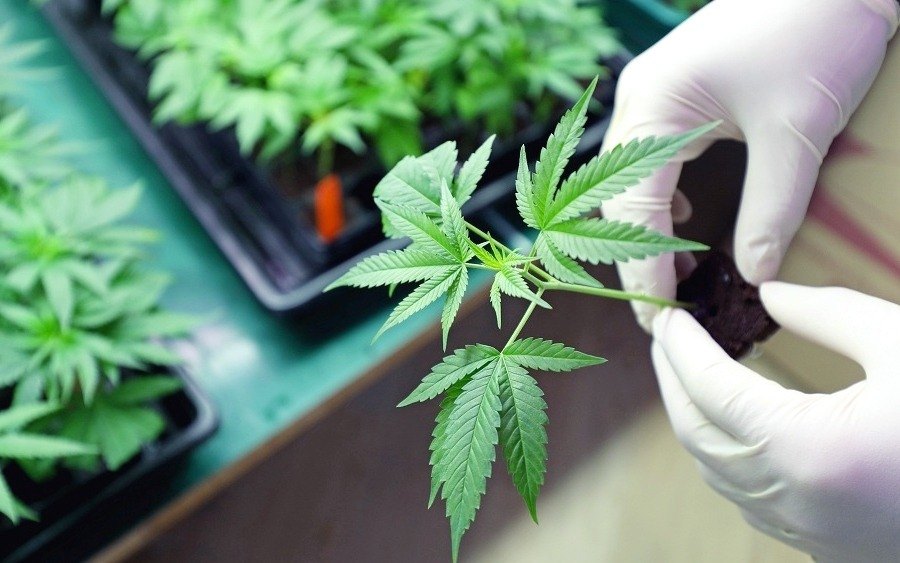
You can grow four plants for personal consumption.
Because people are now allowed to grow up to four plants for personal consumption, we might see an overall decrease in the number of users who purchase their reefer at retail outlets. While it takes a bit of practice, growing marijuana plants is relatively easy. There are plenty of eco-friendly growing aids out there that are just as effective as some of the not-so-eco-friendly chemical products that were so widely used in the past. In theory, four plants can provide even the most chronic smoker with enough premium bud to last until the next crop is ready to harvest. Eco-conscious growers in Vancouver and elsewhere also know how to turn leaf and bud trimmings into hash or cannabis oil. Nothing goes to waste.
Basic Rules of Legalized Marijuana
One of the biggest impacts that legalization has had on Vancouver cannabis culture is that users no longer need to concern themselves with fines or imprisonment as long as they follow the rules. Just because it’s legal doesn’t mean it’s an all-out pot party with no boundaries. Here are a few basic rules regarding marijuana in BC:
- You must be 19 or older to buy, possess, use, or grow marijuana.
- All purchases must be made at a licensed retailer.
- While in public, you may possess no more than 30 grams.
- You may grow up to four pot plants in your home. That’s four plants per household and not four plants for each person in the house. If you rent, the landlord has the right to disallow you from growing plants or consuming cannabis products.
- Any plants you grow must be completely out of public view.
- Consumption is not allowed in vehicles. It doesn’t matter if the vehicle is parked or in motion.
- You may transport weed and weed products in your vehicle as long as it is sealed in its original packaging and not within reach of the driver or occupants. In other words, put it in the trunk.
- You can transport up to four pot plants in a vehicle as long as the plants aren’t flowering or budding.
- You may smoke maryjane in public areas that are designated for smoking.
As you probably already know, it’s illegal to operate a motor vehicle when you are under the influence of marijuana. It might have been a part of Vancouver’s cannabis culture at one time, but it’s reckless and dangerously stupid. The police are well-versed in spotting drivers who have been indulging in dope and they may require you to provide a fluid or blood sample if you get pulled over. Getting arrested, fined, and possibly imprisoned simply isn’t worth the risk. Additionally, having your vehicle impounded in Vancouver is more than enough to spoil the most pleasant of buzzes.
Where to Buy Marijuana in Vancouver
Finding a medicinal cannabis dispensary in Vancouver, BC is as easy as finding a McDonald’s restaurant. The problem is that each vendor has to acquire various licenses and permits, and the process takes time. Of the dozens of cannabis stores in Greater Vancouver, less than 20 have jumped through all the hoops and are fully legit. An additional 60+ locations have been granted development permits, but they still need to wade through more government bureaucracy before they are also fully legit. In the meantime, the unlicensed operations carry on operating somewhat illegally. To their credit, the police seem content to let these illegal outlets continue to do business without much interference. It’s just a matter of time before these outlets are up to code.
What Do Vancouver Pot Stores Sell?
One of the greatest things about marijuana dispensaries is the variety of products they offer. Unlike in the past when pot smokers would buy whatever strain their dealer happened to have at the time, any cannabis store in Vancouver has a plethora of interesting strains to choose from. Animal Gas, Cake Frosting, Duke Nukem, and Jet Fuel are a few of the many crystal-laden strains. However, these stores sell much more than dried buds and rolling papers.
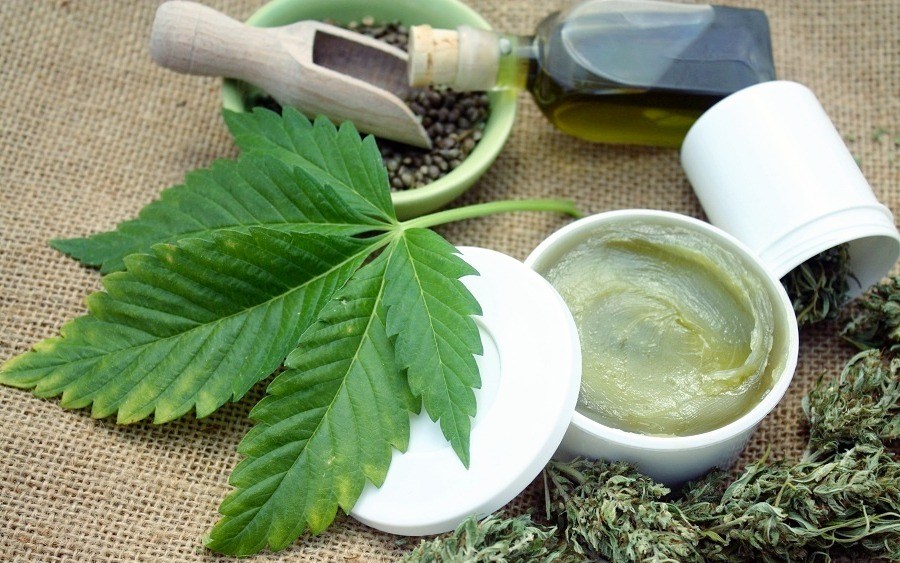
Many products are made from cannabis.
You can buy marijuana concentrates such as hash, wax, vapes, and other extracts. Cannabis oil is particularly popular in Vancouver. Then there are the many tasty edibles such as gummy candies and chocolate bars. Cannabidiol, or CBD lets you enjoy the health benefits of using maryjane without getting stoned. There is also a wide range of balms, salves, and even skincare products. What a versatile plant!
Vancouver Cannabis Expo
Those who want to learn more about the benefits of pot should make a point of attending the Cannabis Expo at the Vancouver Convention Centre. Check out hundreds of exhibits and listen to over 100 industry experts. Are you thinking about investing in Vancouver-based Aurora Cannabis? Would you like to find out about cannabis-related jobs in Vancouver? You can learn about these topics and many more at this annual event.
The Future of Vancouver Cannabis Culture
Vancouver’s cannabis culture has never been so prevalent as it is today. At the same time, the legalization in Canada and other regions such as some American states means that Vancouver is no longer seen as a kind of rogue city. Events like 420 Vancouver no longer generate big headlines across the country like it used to. While BC bud is still widely praised as a top-notch product, similar and even better strains have emerged across Canada and elsewhere in the world.
It’s too early to tell how marijuana’s legalization will affect organized crime and the black market. The black market share would likely dwindle if retail outlets could compete with illegal dealers. It would also help if more people started to grow their own product. Like legalization itself, achieving this type of shift in Vancouver’s cannabis culture will take time. Fortunately, there are plenty of things to do in Vancouver while you wait.